Short-Term Rental Interior Design: Make It Easy to Book—and Hard to Forget
A pretty short-term rental is nice.
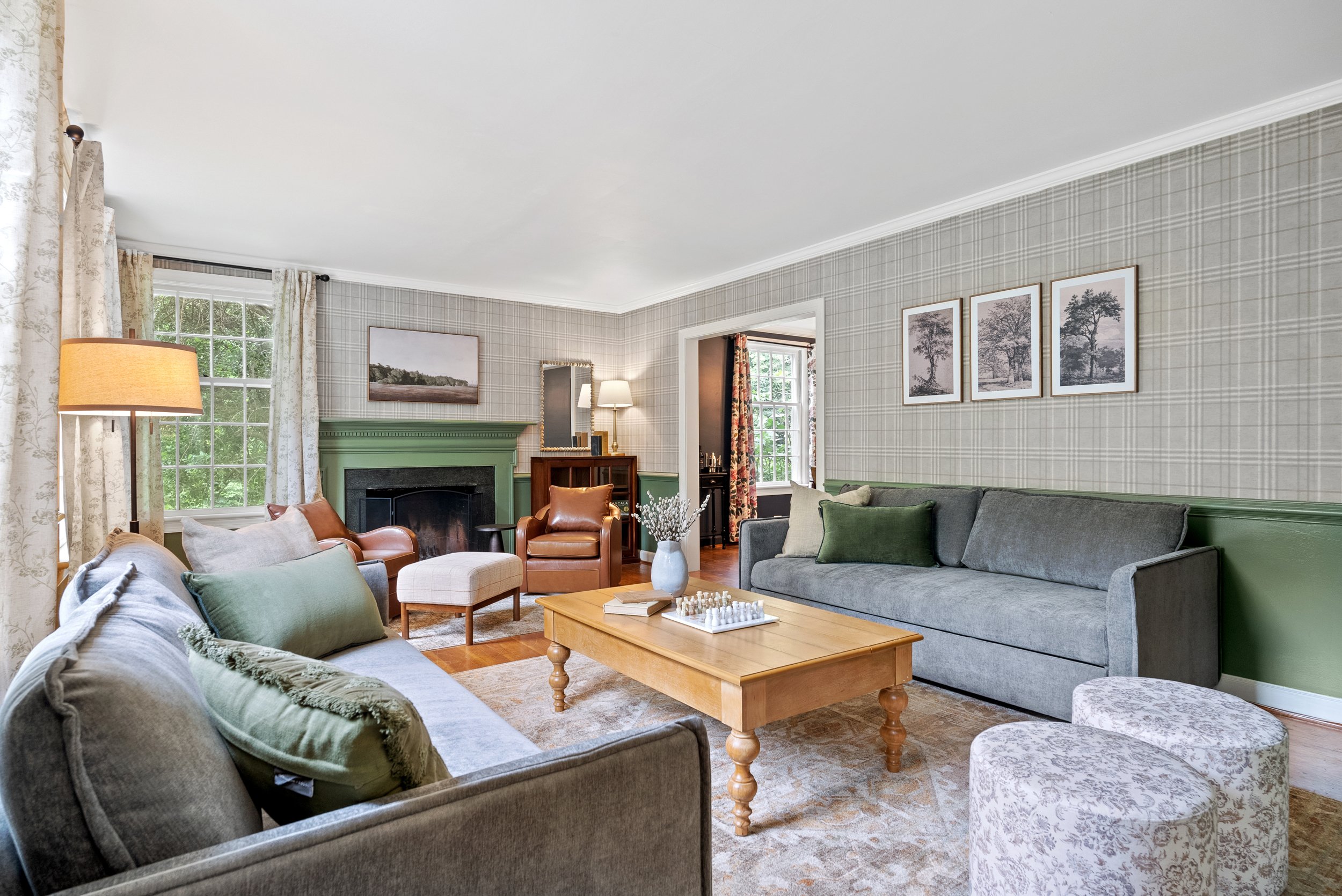
A pretty short-term rental that is easy to book, easy to use, and hard to forget? Much better.
That is the real job of short-term rental interior design. It is not simply choosing a sofa, adding a few pillows, and hoping the algorithm feels generous. It is creating a property that catches a guest’s attention online—and feels even better once they walk through the door.
Pretty Is Not the Plan
Residential design begins with the people who live in the home. An STR has a trickier audience: guests you have never met, cleaners working on a clock, property managers solving problems from a distance, and owners who need the investment to hold up.
Every choice has several jobs. It has to photograph well, feel good in real life, support the advertised guest count, survive frequent use, and be reasonably easy to maintain or replace.
“Beautiful” is the beginning of the conversation—not the end.
Pick the Guest Before the Sofa
Trying to appeal to everyone is how a property ends up feeling like nobody in particular. Before shopping, finish one sentence:
This property is for __________ who want to __________.
Maybe it is for three families who want to reconnect around the fire. Maybe it is for couples escaping the city for a quiet mountain weekend. Maybe it is for wedding guests who need an easy, polished home base.
That answer changes the seating, sleeping plan, storage, lighting, dining space, and even where people will drop their bags. If you cannot name the guest, pause the shopping. The cart can wait.
Build One Memory, Not a Theme Park
Memorable does not have to mean loud. A property can have a strong identity through its materials, artwork, architecture, view, or connection to the destination. A coastal home does not need twelve signs explaining that the beach is nearby, and a cabin does not need a bear on every available surface.
Use the location as a cue, then edit. What already makes the property special? What does the destination feel like? Which materials belong there? What could only make sense in this house?
Now choose one guest experience that deserves to stop the scroll: a fireplace wrapped in genuinely comfortable seating, a breakfast nook facing the view, a bunk room that feels like part of the adventure, or an outdoor table made for dinners that run long.
Airbnb encourages hosts to use strong, accurate photos and highlight the features that make a listing special. The photograph earns attention. The experience earns the memory.
Aim for a story, not a costume.
The “Boring” Bits Win the Stay
The most glamorous room in the house cannot rescue a weekend full of tiny frustrations. Walk through the stay in order.
Arrival: Where do coats, shoes, groceries, keys, and luggage land? Give people an obvious answer with hooks, a bench, a console, or a clear piece of closet.
Morning: Can a half-awake guest make coffee without opening eight cabinets? Keep the mugs, coffee, filters, spoons, and sweeteners together. Tiny win. Excellent morning.
Bedtime: Can each guest place a phone, turn off a light, and get into bed without climbing over furniture? Check both sides of every shared bed.
After the hot tub, pool, or beach: Where do the wet things go? If the answer is “probably the dining chairs,” you have discovered your next project.
Thoughtful STR design solves these moments before a guest ever has to ask.
Spend Where Guests Look, Touch, and Sleep
Not every object deserves the same share of the budget. Put the stronger dollars toward mattresses, the primary sofa, dining chairs people will actually sit in, sleep-friendly window coverings, useful lighting, and durable surfaces in hardworking rooms.
Save on the objects whose only job is filling a shelf. One excellent focal piece will usually beat seventeen tiny accessories that a cleaner has to move, dust, and return to their exact little homes.
Let every room make a promise it can keep.
A dining table for six in a home that sleeps ten sends a message. So does a “reading corner” with no lamp or place to set a drink. Before styling a room, ask what happens there, whether the furniture supports it, and whether the purpose is clear in one photograph.
Take the 15-Minute Booking Test
Pull up the listing photos in order and move through them like a guest who has never seen the property. Can you tell who the home is for? Where the whole group gathers? Where everyone sleeps and eats? Is there one image you would remember tomorrow?
Write down the first three moments that feel generic, confusing, or incomplete. Those are the next design opportunities.
Short-term rental interior design is not about adding more for the sake of more. It is about making better decisions on purpose—so the property feels memorable online, effortless in person, and completely connected to the guest it was designed to welcome.
Try This at Your Property
Start with the first five minutes of the stay. Walk in from the driveway carrying a bag. Pretend it is dark. Find the lock, the light switch, the bathroom, and a place to put your things without correcting anything as you go.
Every moment that makes you pause gets written down. Fix the first three. Your guests will feel the difference, even if they never know why.
Ready to Design a Property That Performs?
FoundHomeCo. creates experience-led short-term rental interiors around how guests feel, move, and stay. Explore our design services or schedule a Design Strategy Call.A pretty short-term rental that is easy to book, easy to use, and hard to forget? Much better.
That is the real job of short-term rental interior design. It is not simply choosing a sofa, adding a few pillows, and hoping the algorithm feels generous. It is creating a property that catches a guest’s attention online—and feels even better once they walk through the door.
Pretty Is Not the Plan
Residential design begins with the people who live in the home. An STR has a trickier audience: guests you have never met, cleaners working on a clock, property managers solving problems from a distance, and owners who need the investment to hold up.
Every choice has several jobs. It has to photograph well, feel good in real life, support the advertised guest count, survive frequent use, and be reasonably easy to maintain or replace.
“Beautiful” is the beginning of the conversation—not the end.
Pick the Guest Before the Sofa
Trying to appeal to everyone is how a property ends up feeling like nobody in particular. Before shopping, finish one sentence:
This property is for __________ who want to __________.
Maybe it is for three families who want to reconnect around the fire. Maybe it is for couples escaping the city for a quiet mountain weekend. Maybe it is for wedding guests who need an easy, polished home base.
That answer changes the seating, sleeping plan, storage, lighting, dining space, and even where people will drop their bags. If you cannot name the guest, pause the shopping. The cart can wait.
Build One Memory, Not a Theme Park
Memorable does not have to mean loud. A property can have a strong identity through its materials, artwork, architecture, view, or connection to the destination. A coastal home does not need twelve signs explaining that the beach is nearby, and a cabin does not need a bear on every available surface.
Use the location as a cue, then edit. What already makes the property special? What does the destination feel like? Which materials belong there? What could only make sense in this house?
Now choose one guest experience that deserves to stop the scroll: a fireplace wrapped in genuinely comfortable seating, a breakfast nook facing the view, a bunk room that feels like part of the adventure, or an outdoor table made for dinners that run long.
Airbnb encourages hosts to use strong, accurate photos and highlight the features that make a listing special. The photograph earns attention. The experience earns the memory.
Aim for a story, not a costume.
The “Boring” Bits Win the Stay
The most glamorous room in the house cannot rescue a weekend full of tiny frustrations. Walk through the stay in order.
Arrival: Where do coats, shoes, groceries, keys, and luggage land? Give people an obvious answer with hooks, a bench, a console, or a clear piece of closet.
Morning: Can a half-awake guest make coffee without opening eight cabinets? Keep the mugs, coffee, filters, spoons, and sweeteners together. Tiny win. Excellent morning.
Bedtime: Can each guest place a phone, turn off a light, and get into bed without climbing over furniture? Check both sides of every shared bed.
After the hot tub, pool, or beach: Where do the wet things go? If the answer is “probably the dining chairs,” you have discovered your next project.
Thoughtful STR design solves these moments before a guest ever has to ask.
Spend Where Guests Look, Touch, and Sleep
Not every object deserves the same share of the budget. Put the stronger dollars toward mattresses, the primary sofa, dining chairs people will actually sit in, sleep-friendly window coverings, useful lighting, and durable surfaces in hardworking rooms.
Save on the objects whose only job is filling a shelf. One excellent focal piece will usually beat seventeen tiny accessories that a cleaner has to move, dust, and return to their exact little homes.
Let every room make a promise it can keep.
A dining table for six in a home that sleeps ten sends a message. So does a “reading corner” with no lamp or place to set a drink. Before styling a room, ask what happens there, whether the furniture supports it, and whether the purpose is clear in one photograph.
Take the 15-Minute Booking Test
Pull up the listing photos in order and move through them like a guest who has never seen the property. Can you tell who the home is for? Where the whole group gathers? Where everyone sleeps and eats? Is there one image you would remember tomorrow?
Write down the first three moments that feel generic, confusing, or incomplete. Those are the next design opportunities.
Short-term rental interior design is not about adding more for the sake of more. It is about making better decisions on purpose—so the property feels memorable online, effortless in person, and completely connected to the guest it was designed to welcome.
Try This at Your Property
Start with the first five minutes of the stay. Walk in from the driveway carrying a bag. Pretend it is dark. Find the lock, the light switch, the bathroom, and a place to put your things without correcting anything as you go.
Every moment that makes you pause gets written down. Fix the first three. Your guests will feel the difference, even if they never know why.
Ready to Design a Property That Performs?
FoundHomeCo. creates experience-led short-term rental interiors around how guests feel, move, and stay. Explore our design services or schedule a Design Strategy Call.